How to Sell a Fire-Damaged House in California: A Step-by-Step Guide (2026)
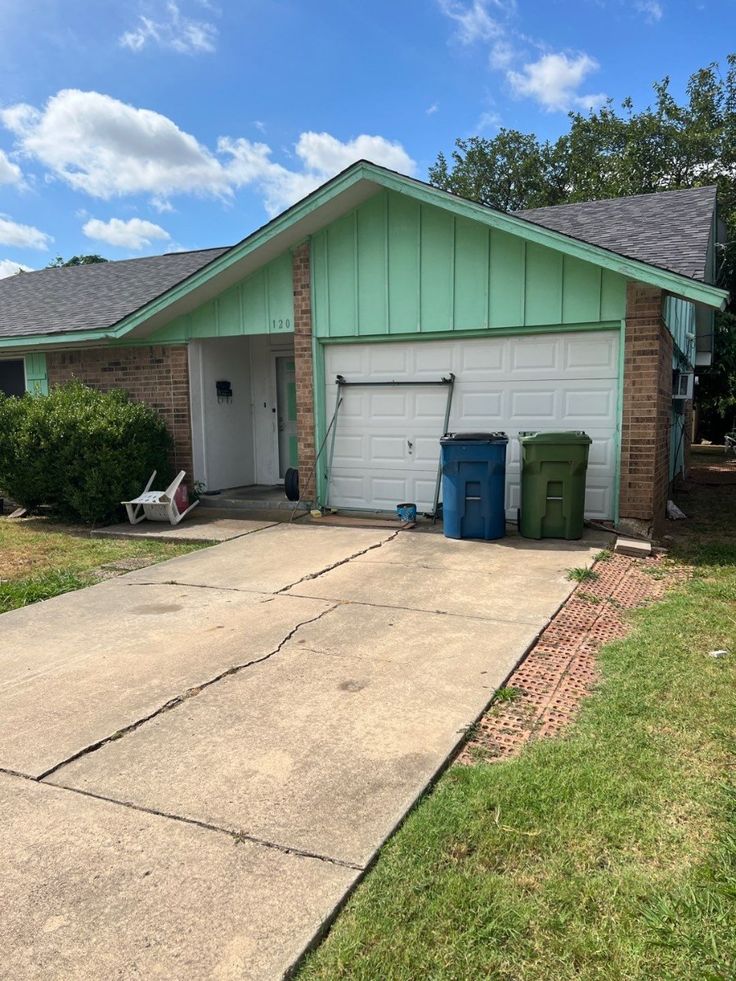
You can sell a fire-damaged house in California in six steps: settle where your insurance claim stands, gather the fire report and any red-tag notices, choose between repairing, selling as-is, or selling the lot, complete the state's required disclosures, price the property the way a buyer will, and close through a licensed escrow. The order matters more than the speed, and the first step is the one most sellers get wrong.
TL;DR
- Your insurance claim comes before any conversation with any buyer. If you have a mortgage, your lender is almost certainly named on the policy and claim proceeds usually route to them first.
- A red tag stops financed buyers, not cash buyers. It changes who can make an offer, not whether the house can sell.
- California requires you to disclose the fire on the Transfer Disclosure Statement, even after full repairs.
- Three exits exist: repair and list, sell as-is, or sell the lot with a teardown priced in. The right one is arithmetic, not instinct.
- In a declared disaster area, contracting without a license is a felony in California, and scam activity rises after every fire. Vet everyone, buyers included.
Step 1: Find out exactly where your insurance claim stands
Before you talk to a single buyer, call your insurance adjuster and ask three questions: what the claim covers, where it is in the process, and who the check will be made out to. If you carry a mortgage, your lender is typically a named party on the policy, which means proceeds often go toward the loan before they reach you. The California Department of Insurance publishes a Residential Property Claims Guide that explains your rights during the claims process, and its wildfire resources page collects help for declared-disaster survivors.
Whether you settle the claim before selling or sell with it open changes your net by more than any negotiation will. For a large claim, that single decision is worth a conversation with an attorney. A buyer who pushes you to sign before you understand your claim is not working for you.
Step 2: Get the fire report and any red-tag notices into one folder
Buyers price what they can verify. Collect the fire department report, your insurer's damage assessment, photos, and any notices from the city or county. If the building department has posted a red tag, the structure has been deemed unsafe to occupy. That removes most financed buyers from the table, because lenders will not fund an uninhabitable property, but it does not remove cash buyers. We cover what red tags and code enforcement mean for a sale in our guide to selling a house with code violations.
Step 3: Choose your exit: repair, sell as-is, or sell the lot
| Route | Works best when | Watch out for |
|---|---|---|
| Repair, then list | Damage is cosmetic or smoke-only and insurance covers the work | Contractor costs growing once walls open; months of carrying costs |
| Sell as-is | Structural damage, a short claim, a red tag, or a hard deadline | The price reflects the repairs the buyer takes on |
| Sell the lot | Total loss | You are selling land minus demolition; in high-value areas this can still be substantial |
The honest math: if your claim covers the repairs and the damage is mostly surface, repairing and listing usually nets more. If the damage reaches framing, roof structure, or foundation, the repair bid plus the carrying time tends to eat the difference. Our page on selling a fire-damaged house in California compares all three routes in detail, and a written offer from us always arrives with an Options Report that puts the as-is number next to a realistic repair-and-list estimate.
Step 4: Complete California's required disclosures
California requires sellers of one-to-four-unit residential property to deliver a Transfer Disclosure Statement describing the property's condition, and a fire is a material fact under the Department of Real Estate's disclosure guide. That duty survives full repairs: a buyer is entitled to know the house burned even if it has a new roof and fresh drywall. Unpermitted repair work must be disclosed too. Disclosure protects you as much as the buyer, because a documented fire cannot become a lawsuit about a concealed one.
Step 5: Price it the way a buyer will
A buyer for fire damage works backward from the finished value: what the repaired house would sell for, minus repair costs, permits, demolition or debris removal where needed, carrying costs for the months the work takes, and a margin for what the walls are hiding. That is why two houses with the same square footage can get very different offers after a fire. The structure of your lot matters as well: in much of the Bay Area the land carries most of the value, while in the Central Valley the structure does. To see what waiting costs while you weigh options, our home equity calculator shows the monthly number most sellers leave out.
Step 6: Vet the buyer and close through a licensed escrow
After a fire, offers arrive uninvited, and so do scams. The Contractors State License Board warns that unlicensed operators target disaster victims, and that contracting without a license in a declared disaster area is a felony in California; its Disaster Help Center is worth a look even if you never hire a contractor. Hold buyers to the same standard you would hold a contractor: the offer in writing, escrow through a licensed title company, and verifiable purchases they have closed. Our guide to telling legitimate cash home buyers from the rest lists the exact questions to ask. Never deed anything outside of escrow, and never accept a payment that does not come through the title company.
When repairing first is the better call
If the damage is smoke and cosmetics, your claim covers the cleanup, and you have the months to spare, repair it and list it. You will very likely net more on the open market, and no cash offer, ours included, is designed to beat that outcome. A direct sale earns its place when the damage is structural, the claim falls short, the city has red-tagged the building, or the timeline is not yours to choose.
Where Tru Deal fits
We buy fire-damaged houses as-is across Northern California, including red-tagged properties and total losses, from San Jose and the Bay Area through Sacramento, Stockton, and Butte County. You get a written Walk-Away Number within 24 hours of a walkthrough, an Options Report comparing it against repairing and listing, and a close in as little as 7 days once title is clear. If your claim is still open, the claim sets the pace, and we will say so.
Frequently asked questions
Can I sell a fire-damaged house before the insurance claim settles?+
Often yes, but how an open claim is handled in the sale changes what you walk away with. Some sales settle the claim first; others transfer or resolve it in escrow. Talk to your adjuster before accepting any offer, and for a large claim, talk to an attorney.
Who buys red-tagged houses in California?+
Cash buyers and investors. A red tag blocks conventional financing because the property is deemed unsafe to occupy, so financed buyers drop out. A cash purchase has no lender, so the red tag does not stop the sale.
Do I have to disclose a fire if the damage was fully repaired?+
Yes. California's Transfer Disclosure Statement requires sellers to disclose known material facts, and a past fire qualifies even after complete repairs. Unpermitted repair work must be disclosed as well.
How long does it take to sell a fire-damaged house?+
With a cash buyer and clear title, closing can happen in as little as 7 days. If the insurance claim is open, the claim usually sets the timeline. A repair-and-list route typically takes months: the work, then the listing, then escrow.
Sources & further reading
Keep reading

How Much Do Cash Home Buyers Actually Pay?
The honest range, the math behind it, and how to tell whether a cash offer is fair for your situation.

How Selling a House for Cash Actually Works, Step by Step
What actually happens between 'I want to sell for cash' and closing day — the five steps, the math behind the offer, and when you shouldn't do it.